Freezer-Friendly Meal Prep: What Freezes Well and What Doesn't
Which meal-prep dishes freeze well, which don't, how long frozen meals keep their quality, and how to freeze, thaw and reheat them safely.
Disclosure: This page contains affiliate links. As an Amazon Associate we earn from qualifying purchases, at no extra cost to you. Parts of this article were drafted with AI assistance and edited before publishing. Read our disclaimer.
Soups, stews, chili, curries, cooked grains, casseroles, burritos and sauces all freeze well. Raw salad vegetables, mayonnaise-based dishes, fried foods and many cream sauces don't. Frozen food kept at 0°F stays safe indefinitely, but most cooked dishes taste best when eaten within two to three months.
Your freezer is what turns a three-to-four-day fridge window into a full week of prepped dinners, and beyond. It lets you cook double batches, take advantage of sales and keep a few "emergency dinners" for nights when nothing goes to plan.
The catch is that not everything comes out the way it went in. This guide covers what works, what doesn't, and how to freeze, thaw and reheat safely, based on USDA guidance and practical kitchen experience.
Is frozen food safe forever?
According to the USDA, food stored constantly at 0°F is safe indefinitely. Freezing stops bacteria from growing, though it doesn't kill them. That's why thawing and reheating properly still matter.
What changes over time is quality. Ice crystals form, flavors fade and exposed surfaces get freezer burn, which is safe to eat but dry and tasteless. FoodSafety.gov's storage chart gives these quality guidelines for frozen food:
| Food | Best quality in the freezer |
|---|---|
| Soups and stews | 2 to 3 months |
| Cooked meat or poultry leftovers | 2 to 6 months |
| Casseroles | 2 to 3 months |
| Pizza | 1 to 2 months |
| Raw ground meat | 3 to 4 months |
| Raw chicken pieces | 9 months |
What freezes well
Soups, stews, chilis and curries
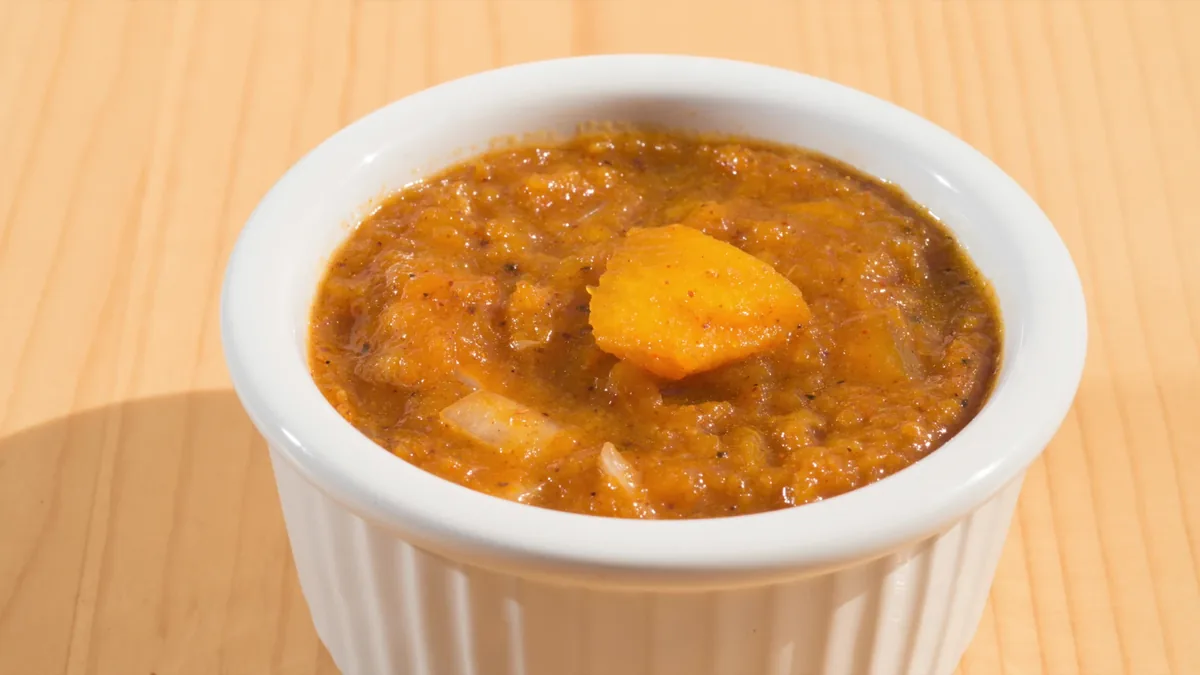
These are the champions of freezer meal prep. The liquid protects everything from freezer burn, and the texture barely changes. Bean-based chilis, lentil soups and tomato-based curries are especially reliable.
Cooked grains
Rice, quinoa and farro freeze well in flat bags. Reheat them from frozen in the microwave with a splash of water.
Casseroles and bakes
Enchiladas, baked ziti, lasagna and shepherd's pie freeze well. Freeze them in individual portions so you can reheat one at a time.
Burritos and wraps
Wrap each burrito tightly and freeze. They're one of the most convenient frozen meals around. Leave out lettuce and sour cream.
Cooked, shredded or sauced meat
Pulled pork, shredded chicken, meatballs and taco meat freeze well, especially with a little sauce or broth.
Sauces
Marinara, pesto (without cheese, if possible), and curry bases can be frozen in ice-cube trays or small containers.
Muffins, breakfast burritos and pancakes
Handy for breakfast prep, too.
What doesn't freeze well
These are safe to freeze, but the texture usually suffers:
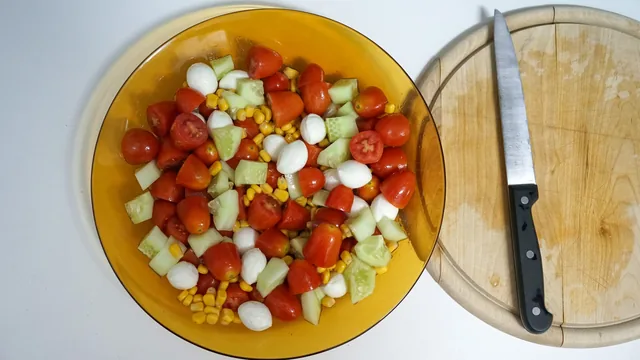
- Raw salad vegetables like lettuce, cucumber and radishes turn limp and watery.
- Cooked potatoes in soups or stews can become grainy. Mashed potatoes freeze better.
- Mayonnaise and dressings separate.
- Fried and breaded foods lose their crunch.
- Hard-cooked egg whites turn rubbery.
- Cream sauces and soft cheeses can separate or turn grainy. Stirring well while reheating helps.
- Cooked pasta in a thin sauce can get mushy. Undercook it slightly or freeze the sauce separately.
For dishes like stew or soup, freeze without the delicate parts (potatoes, pasta, fresh herbs) and add them fresh when you reheat.
How to freeze meal prep the right way
1. Cool it quickly first
Chill hot food in the fridge, in shallow containers, before freezing. Putting large hot batches straight into the freezer can warm nearby frozen items and slows freezing. Just remember the two-hour rule: food should go into the fridge within two hours of cooking.
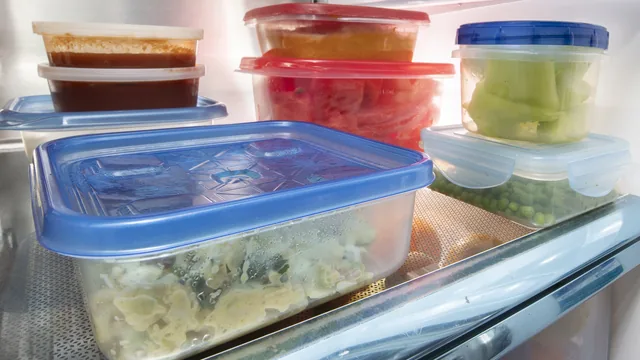
2. Use airtight, freezer-safe containers
Air causes freezer burn. Use containers labeled freezer-safe or heavy-duty freezer bags, squeeze out as much air as possible, and seal well.
3. Leave headspace
Liquids expand when they freeze. Leave about half an inch to an inch at the top of containers of soup or chili.
4. Freeze flat
Freezer bags laid flat on a tray freeze quickly, stack like files and thaw much faster than a solid block.
5. Label everything
Write the dish, the number of portions and the date. "Mystery chili, probably March" is the beginning of a freezer full of food nobody eats.
## Thawing safelyThe USDA lists three safe ways to thaw:
- In the fridge. The safest method. Move tomorrow's dinner from the freezer to the fridge the night before. Most single portions thaw overnight. Food thawed this way can be refrozen if you don't use it, though quality may suffer.
- In cold water. Seal food in a leak-proof bag and submerge it in cold tap water, changing the water every 30 minutes. Cook it right away.
- In the microwave. Use the defrost setting and cook or reheat immediately.
Never thaw food on the counter. The outside can warm into the danger zone (40°F to 140°F) while the middle is still frozen.
You can also reheat many soups, stews and grain dishes directly from frozen. It takes longer, but it's safe as long as the food reaches 165°F throughout.
Reheating frozen meals
Reheat to 165°F. In the microwave, use a lower power setting first so the edges don't overcook while the center thaws, then stir and finish on full power. For casseroles, cover with foil and bake in the oven until hot in the center.
How to keep the freezer organized
- Keep a simple list on the freezer door or your phone and cross things off as you eat them.
- Use first-in, first-out: put new items at the back.
- Keep the freezer at 0°F, checked with an appliance thermometer.
Freezer meals worth keeping on hand
A small "emergency stash" saves you on nights when plans fall apart. Aim to keep four or five of these in the freezer at any time: a couple of portions of chili or soup, a bag of cooked rice, a tray of enchiladas or baked ziti, and a few burritos. Each time you cook one of these for the week, make a double batch and freeze half. Within a month, you'll have a freezer that works like a backup takeout menu, without the delivery fees.
Write the contents on your freezer list as you add them, so the stash stays easy to track.
Frequently asked questions
How long can I keep meal prep in the freezer?
Food kept at 0°F stays safe indefinitely, but quality declines. Most soups, stews and casseroles taste best within 2 to 3 months, according to FoodSafety.gov.
Can I refreeze thawed meal prep?
Food thawed in the refrigerator can be refrozen, although the texture may suffer. Food thawed in cold water or the microwave should be cooked or eaten right away.
Does freezing kill bacteria?
No. Freezing stops bacteria from growing, but they can become active again when food thaws. Thaw safely and reheat to 165°F.