Meal Prep for Families: Kid-Friendly Make-Ahead Meals
How to meal prep for a family with kids, including make-ahead dinners kids actually eat, build-your-own meals, lunchbox prep and kid-specific food-safety tips.
Disclosure: This page contains affiliate links. As an Amazon Associate we earn from qualifying purchases, at no extra cost to you. Parts of this article were drafted with AI assistance and edited before publishing. Read our disclaimer.
Family meal prep works best when you prep components, not finished plates. Cook a few mild, familiar bases, such as seasoned ground meat, rice, roasted vegetables and a sauce, then let everyone build their own tacos, bowls or pasta. Kids get choice, adults get flavor, and you only cook once.
Cooking for kids adds a few complications to meal prep: picky eaters, different portion sizes, after-school activities and the need for lunches as well as dinners. The good news is that families benefit from meal prep more than anyone, because the weeknight crunch is worse when small people are hungry.
The component approach
Instead of five complete recipes, prep a set of building blocks:
- Two proteins, such as mild seasoned ground turkey and baked chicken drumsticks or thighs
- Two starches, such as rice and pasta
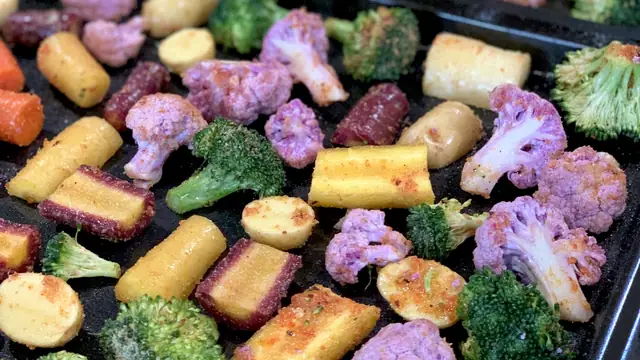
- Two or three vegetables, such as roasted carrots, steamed broccoli and corn
- One or two sauces, such as marinara and a mild cheese or yogurt dip
- Fresh extras that need no cooking, such as cut fruit, cucumbers and shredded cheese
Each night, combine them differently. That ground turkey can be tacos on Monday, pasta sauce on Wednesday and a rice bowl on Thursday.
Ten kid-friendly make-ahead meals
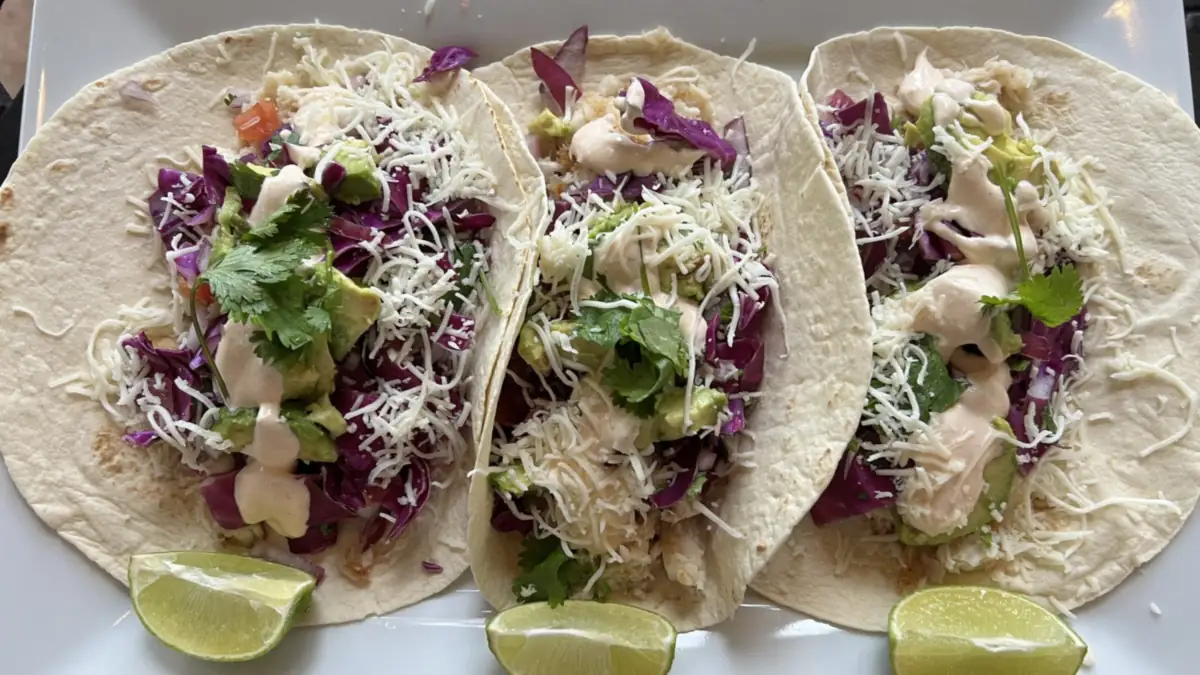
1. Build-your-own taco night
Mild seasoned ground beef or turkey, warmed tortillas, shredded cheese, corn and chopped tomatoes. Kids love assembling their own.
2. Baked chicken drumsticks
Drumsticks are cheap, easy to hold and stay juicy when reheated. Roast at 425°F until they reach at least 165°F. Many cooks take drumsticks a bit higher for more tender meat.
3. Turkey meatballs with marinara
Bake a big tray and freeze half. Serve with pasta, in sub rolls or on their own with dipping sauce. Cook turkey meatballs to 165°F.
4. Mini egg muffins
Eggs with a little cheese and finely chopped vegetables, baked in a muffin tin until the center reaches 160°F. Great for breakfast or lunchboxes.
5. Chicken and rice casserole
Mild, creamy and easy to scale. Freeze in family-size portions.
6. Pasta bake with hidden vegetables
Blend cooked carrots or squash into tomato sauce, toss with pasta, top with cheese and bake.
7. Quesadillas
Assemble with beans, cheese and shredded chicken, freeze flat between parchment, and pan-fry or bake from frozen.
8. Fried rice
Uses leftover rice and whatever vegetables kids will eat. Peas and corn are usually winners.
9. Mild chicken curry
A coconut-milk curry with no chili heat is a gentle introduction to new flavors. Serve with rice.
10. Breakfast-for-dinner pancakes
Freeze a batch and toast them on busy nights with yogurt and fruit.
Handling picky eaters
Pediatric feeding advice often recommends a "division of responsibility" approach: parents decide what, when and where food is served, and kids decide whether and how much to eat from what's offered. Meal prep fits this well.
- Always include one familiar food on the table, like rice, bread or fruit.
- Serve sauces and spices on the side so adults can add heat.
- Offer new foods alongside favorites without pressure. It can take many tries before a child accepts a new food.
- Let kids help. Even young children can wash vegetables, stir sauces or fill muffin tins.
Lunchbox prep
Make lunches part of Sunday's session:
- Portion cut vegetables, cheese cubes, crackers and fruit into small containers.
- Pack leftovers like pasta or fried rice in an insulated food jar. Fill the jar with boiling water for a few minutes first, then empty it and add steaming-hot food.
- For cold lunches, use an insulated bag with at least two cold sources, such as frozen gel packs, as the USDA recommends. Perishable food shouldn't sit at room temperature for more than 2 hours.
- A frozen water bottle or juice box doubles as an ice pack.
Kids are more vulnerable to foodborne illness than healthy adults, so the basic rules matter even more:
- Cook to safe temperatures and check with a thermometer: 165°F for poultry and leftovers, 160°F for ground beef and pork and egg dishes.
- Refrigerate within 2 hours, and eat cooked leftovers within 3 to 4 days.
- Never give honey to babies under 12 months, including baked into food. It can cause infant botulism.
- Cut food to reduce choking risk for young children. Whole grapes, cherry tomatoes and hot dogs should be cut lengthwise and into small pieces, and whole nuts and popcorn are choking hazards for children under 4, according to the CDC and the American Academy of Pediatrics.
- Check allergies before packing food for school, since many schools restrict nuts.
Portioning for a family
Kids' portions change constantly with age and growth spurts, so prep in family-size containers rather than individual servings. A 9x13 casserole, a big container of rice and a tub of taco meat are easier to flex than a stack of identical single portions. Freeze in two-meal sizes so you can thaw exactly what you need.
A sample family week
| Night | Dinner | Made from |
|---|---|---|
| Monday | Build-your-own tacos | Turkey, tortillas, cheese, corn |
| Tuesday | Drumsticks, rice and broccoli | Drumsticks, rice, broccoli |
| Wednesday | Turkey meatball pasta | Meatballs, pasta, marinara |
| Thursday | Fried rice | Leftover rice, eggs, peas and corn |
| Friday | Breakfast for dinner | Frozen pancakes, eggs, fruit |
Make it a family habit
Put a weekly menu on the fridge and let each family member choose one dinner from your rotation. Kids who've picked a meal are more likely to eat it, and you'll never have to answer "what's for dinner?" again.
Getting kids involved in prep day
Prep day can be family time rather than a chore you do alone. Give each child a job that fits their age. Toddlers can wash vegetables in a bowl of water or tear up lettuce. Early-school-age kids can measure ingredients, stir batters and fill muffin tins. Older kids can follow a simple recipe, use a peeler with supervision and label containers. Keep knives, hot pans and raw meat with the adults, and make handwashing part of the routine, especially after touching raw meat or eggs.
Frequently asked questions
How do I meal prep for picky kids?
Prep components instead of mixed dishes, keep sauces and spices on the side, and always include at least one food your child already likes.
How long can packed lunches stay unrefrigerated?
Perishable food shouldn't be at room temperature for more than 2 hours. Use an insulated lunch bag with at least two cold sources, such as frozen gel packs.
Can I freeze kid-friendly meals?
Yes. Meatballs, casseroles, quesadillas, pancakes and egg muffins all freeze well. Thaw in the fridge overnight and reheat to 165°F.